Solutions
Solutions
Power Quality Solutions
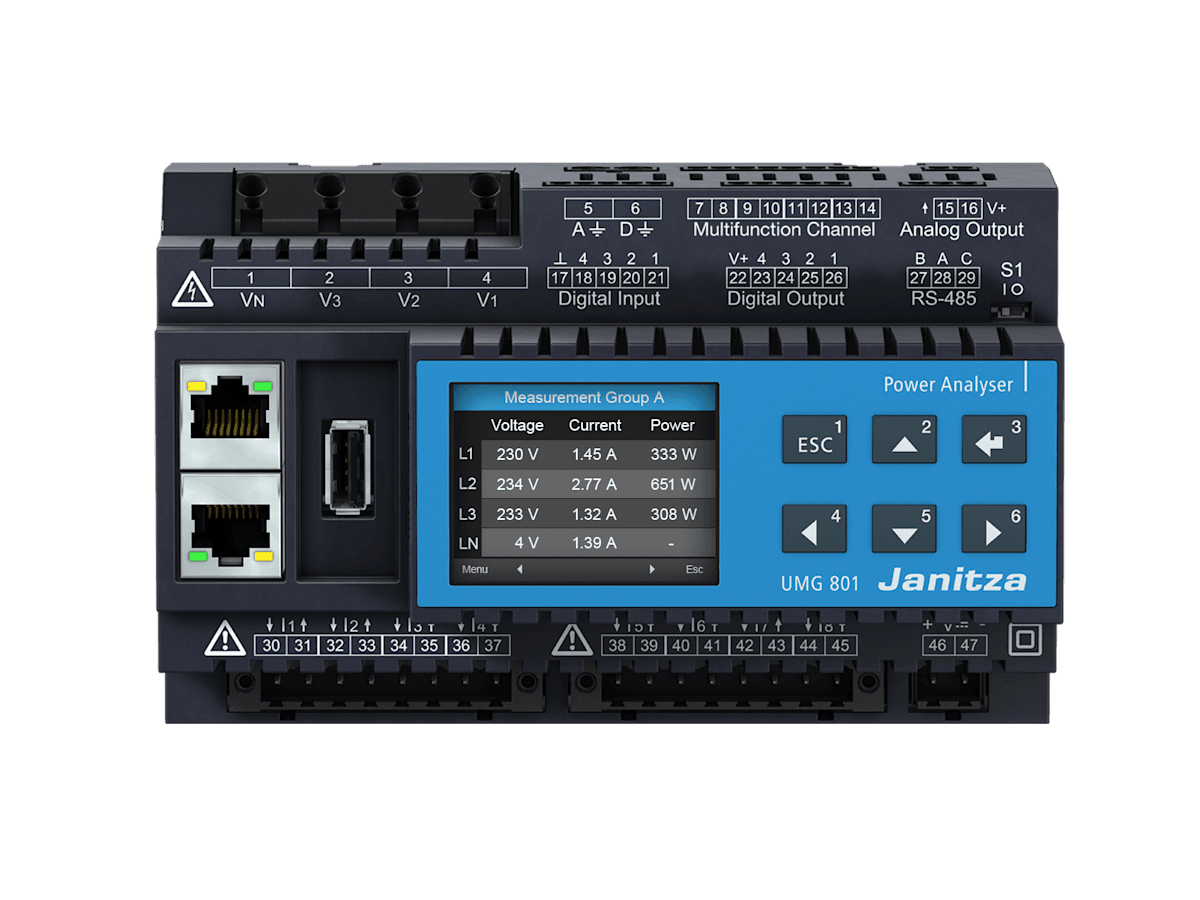
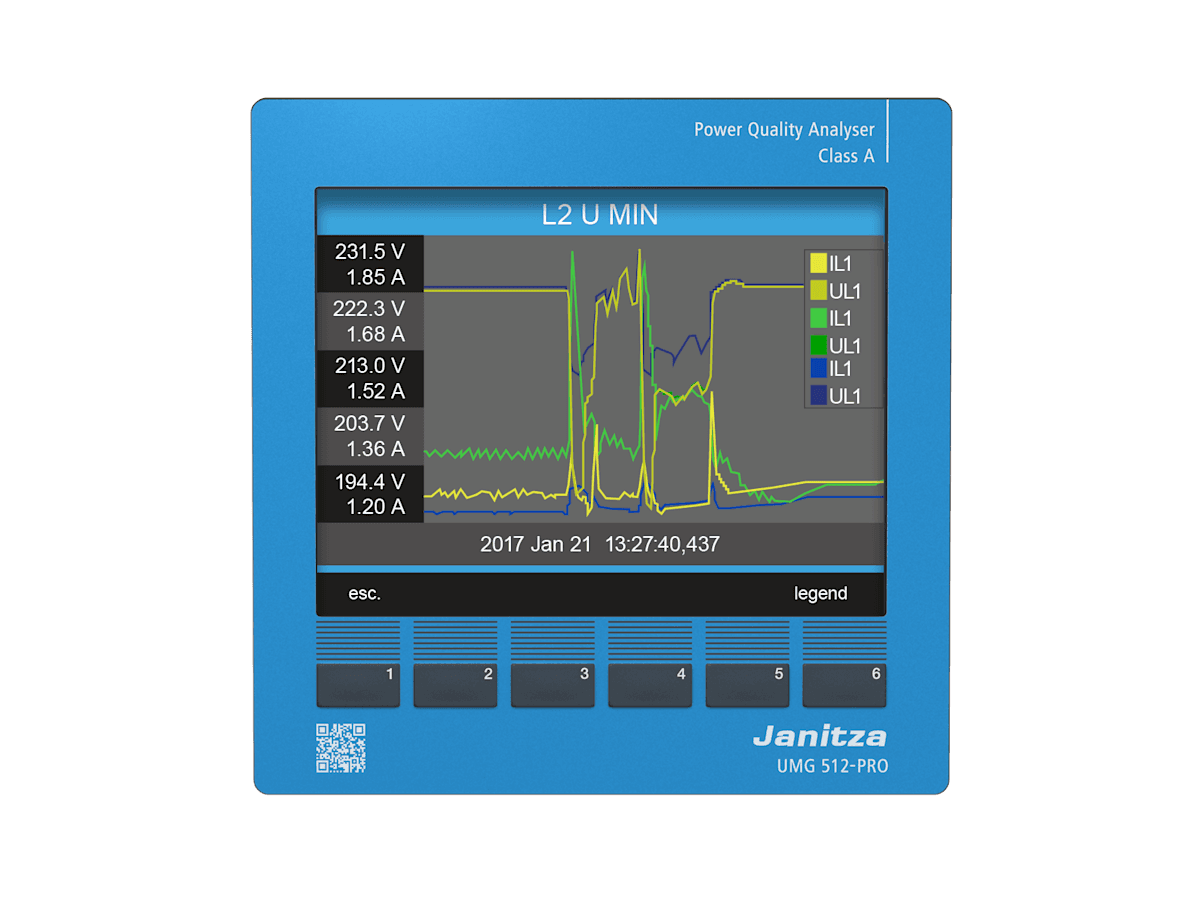
Power quality problems such as harmonics, voltage sags and swells, flicker, transients and voltage unbalance can occur in electrical systems. They can arise from non-linear loads, sudden load changes, network events and the electrical structure of the facility itself. Poor power quality can cause overheating in equipment, nuisance tripping, energy losses, shorter equipment life and interruptions to production continuity.
At EPKOM we use power quality analyzers to measure and monitor LV and MV systems, recording harmonics, voltage events and the other power quality parameters. We evaluate the resulting data against the relevant standards, such as EN 50160, IEC 61000 and IEEE 519, according to the measurement point and the scope of the application.
Following measurement and analysis, we apply active and passive harmonic filters, SVG systems, compensation solutions and power quality monitoring systems according to the needs of the facility, helping the electrical infrastructure run more safely, efficiently and stably.
Residual Current Monitoring
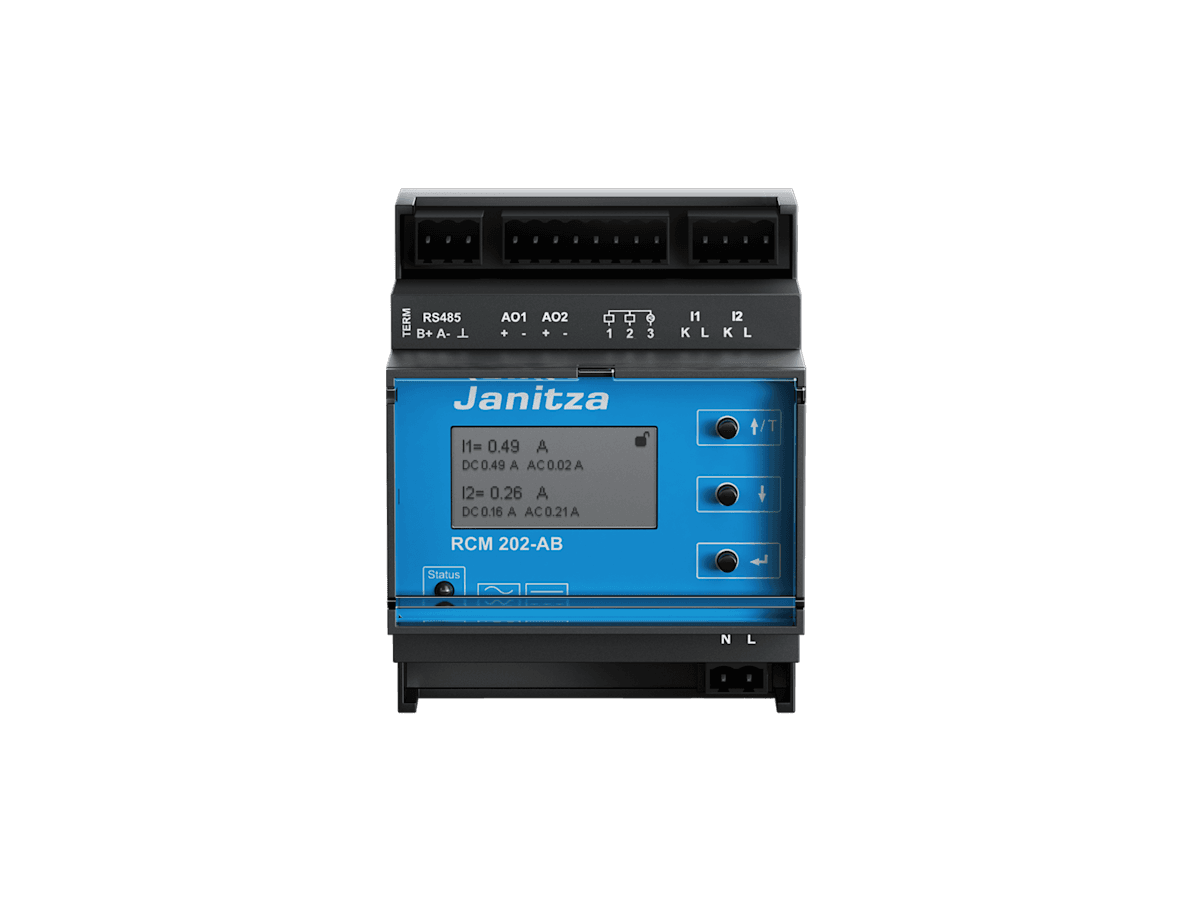
Residual current monitoring (RCM) measures leakage currents in the electrical system continuously, allowing insulation degradation, cabling problems and other electrical faults to be detected at an early stage.
Unlike residual current devices (RCD), RCM systems do not cut power the moment a set threshold is exceeded; they monitor leakage current levels continuously and raise a warning before a developing fault reaches a critical level. In data centers, where unplanned outages are critical, this is a significant advantage for operational continuity.
With Janitza RCM solutions, leakage currents can be monitored centrally, historical data can be followed and alarm levels can be defined. Continuous monitoring through GridVis makes it possible to track how insulation problems develop and to plan maintenance before a fault occurs.
Related product groups
Energy Monitoring Systems
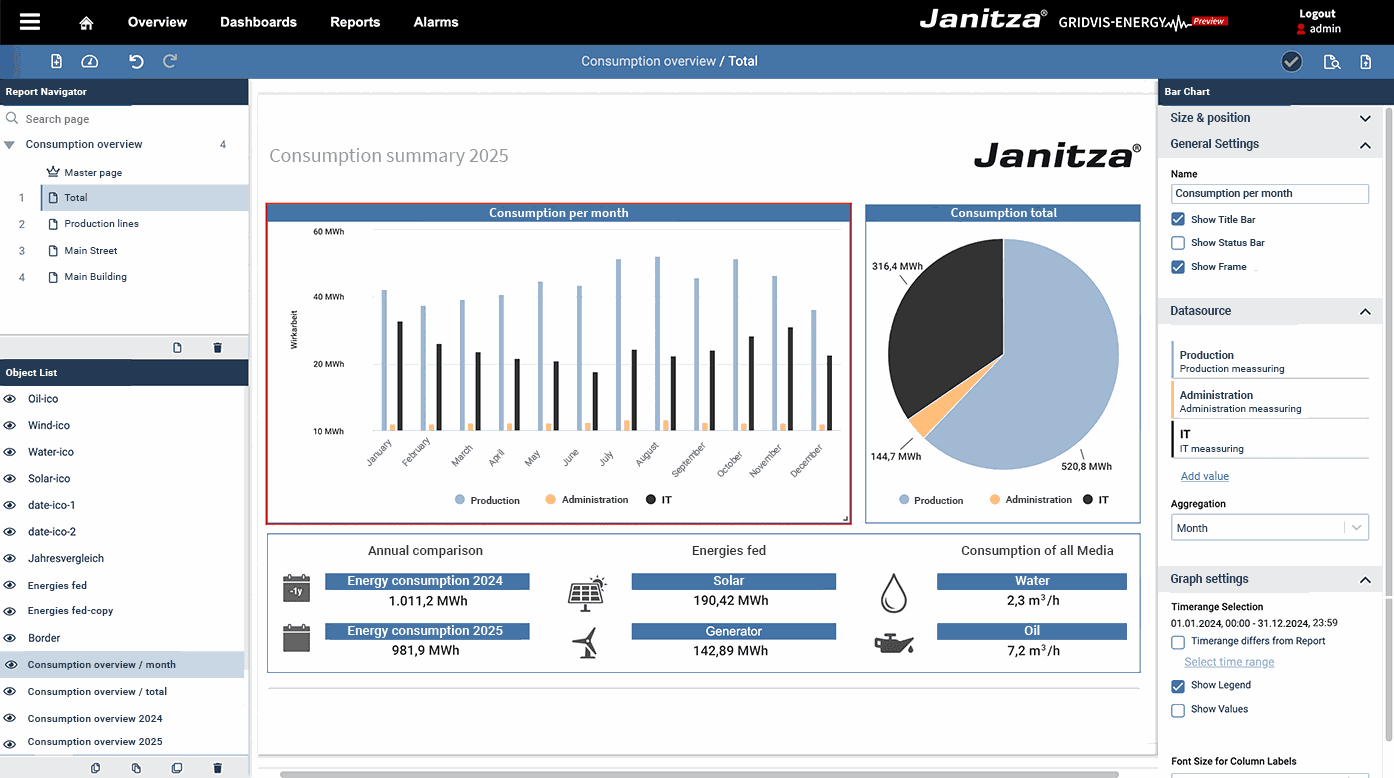
Energy monitoring systems measure and analyse electricity consumption continuously, at facility, feeder, department or machine level. Alongside electricity, other energy sources such as water, natural gas and compressed air can be tracked through the same system.
Data from Janitza energy analyzers is collected centrally in the GridVis software, where consumption trends, load profiles and energy performance indicators can be followed. Automatic reporting and alarm functions make abnormal consumption and energy losses quick to identify.
Energy monitoring systems help to allocate energy costs correctly, to identify inefficient points of consumption and to improve energy performance continuously. They also support ISO 50001 energy management processes and make it possible to track energy performance indicators such as PUE in data centers.
Related product groups
Low Voltage Reactive Power Compensation Solutions
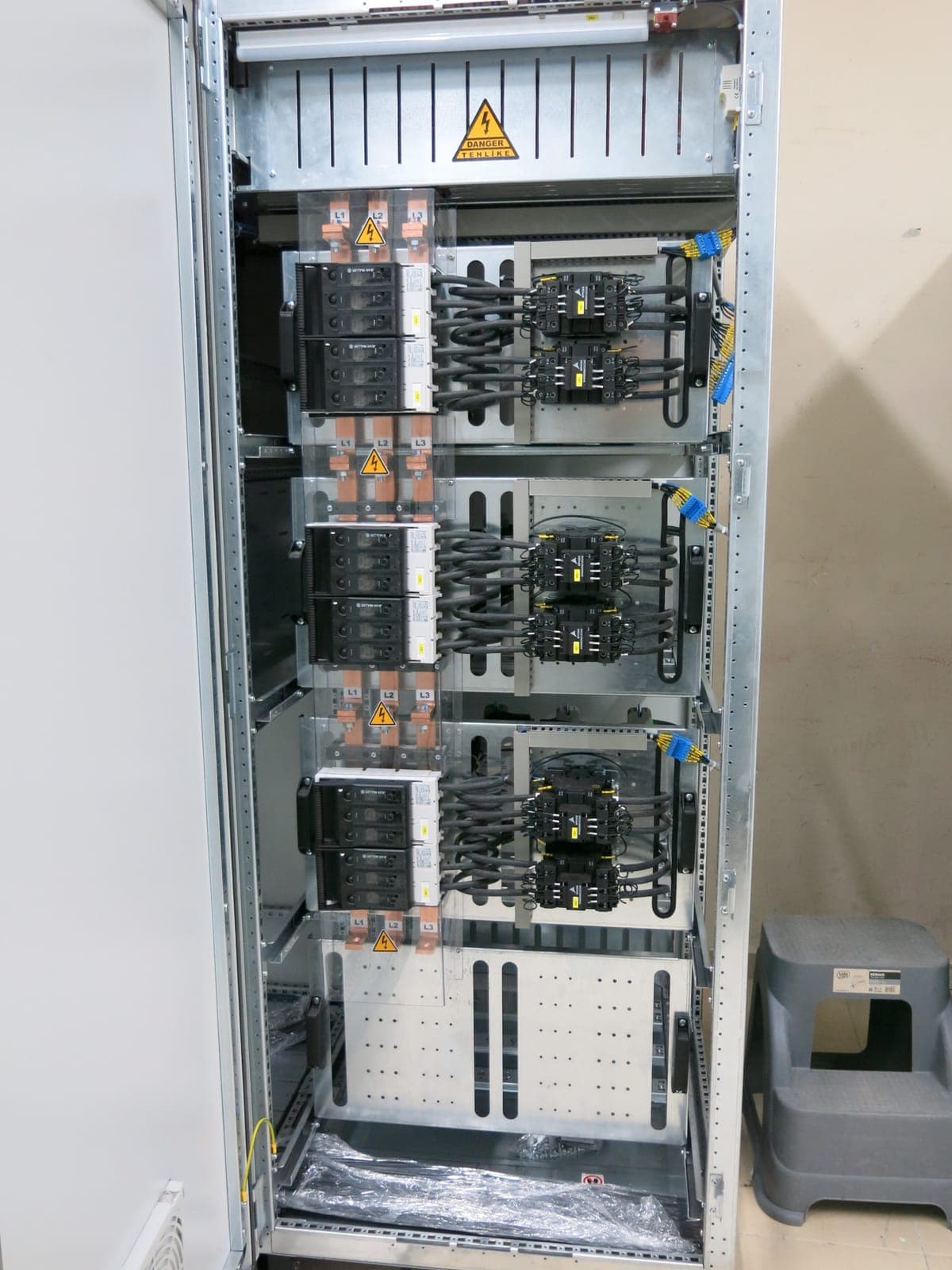
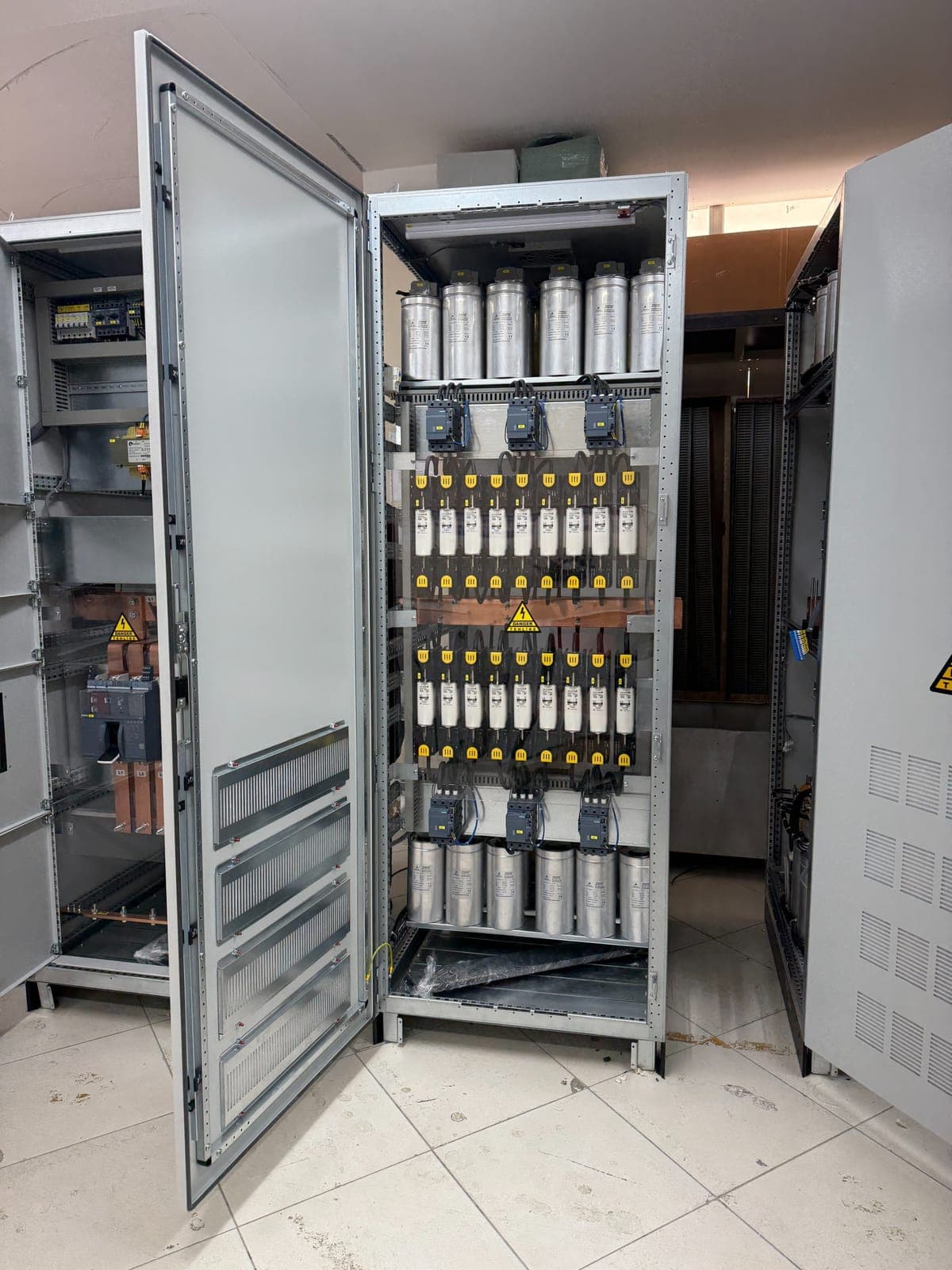
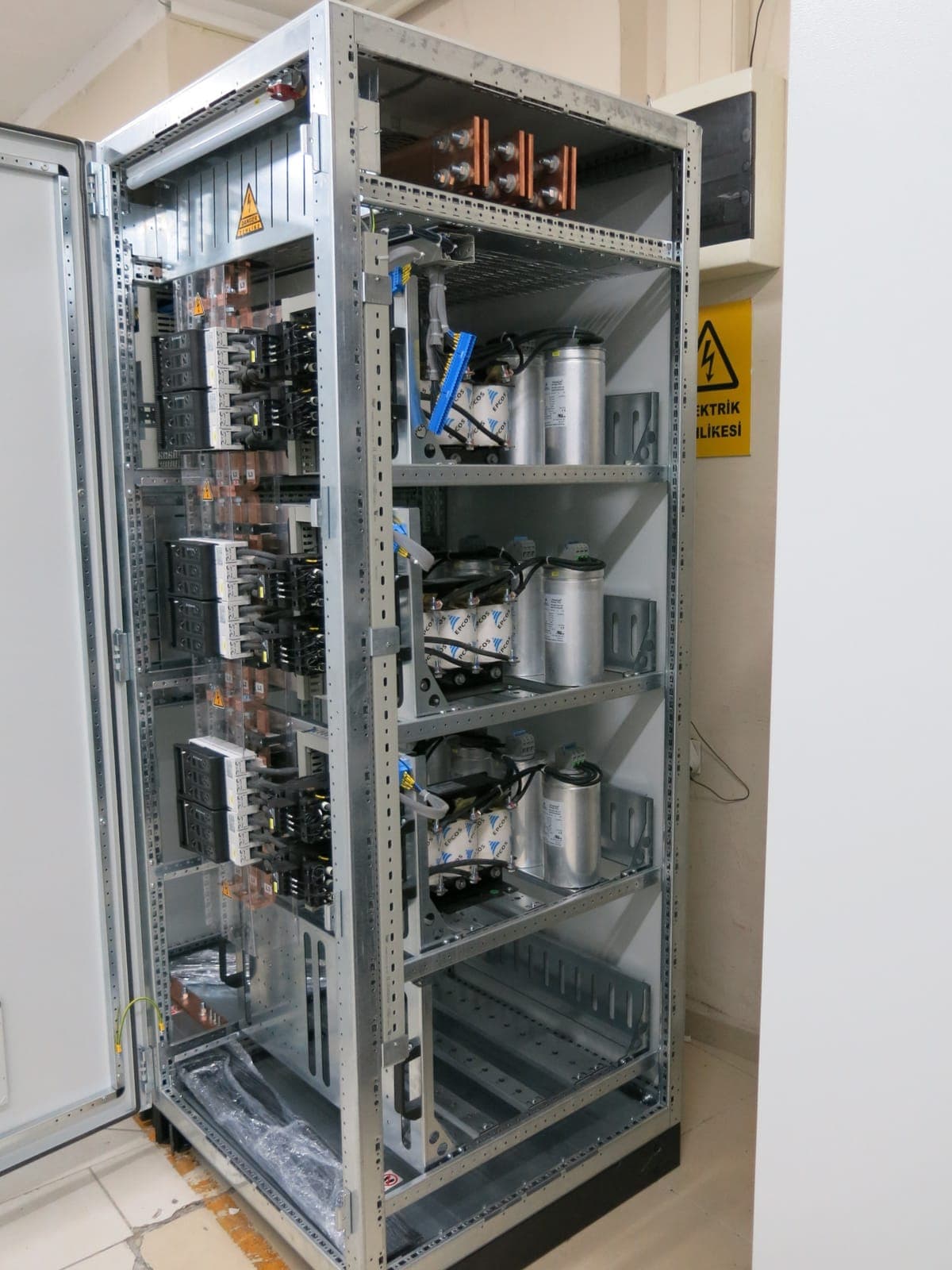
In industrial and commercial facilities the reactive power balance can be upset both by inductive loads such as motors and transformers and by loads with a capacitive effect such as UPS systems, drives and long cable runs. This can disturb the reactive power balance, move the power factor away from the desired level, draw unnecessary current from the network, increase losses and incur reactive energy charges.
Low voltage compensation systems hold the power factor at the desired level by providing compensation matched to the facility's inductive or capacitive reactive power demand. Where load changes are rapid, thyristor-switched systems are used to respond quickly to reactive power variation.
In facilities where harmonics are present, compensation systems with harmonic filter reactors are applied to keep the capacitors from entering resonance with the network. A correctly engineered compensation system helps to avoid reactive energy charges, to use transformer and cable capacity more effectively, to reduce electrical losses and to improve system performance.
Medium Voltage Reactive Power Compensation Solutions
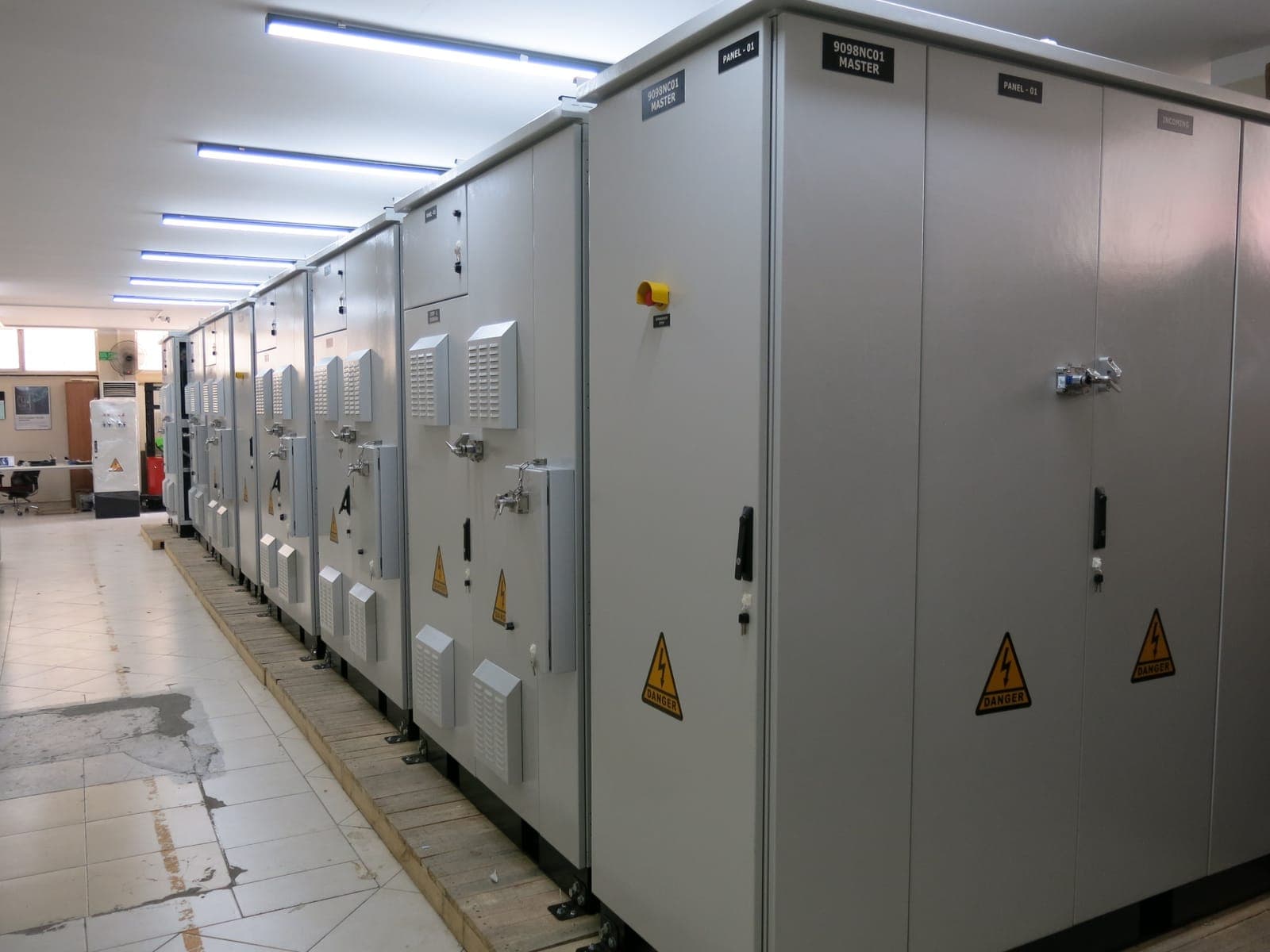
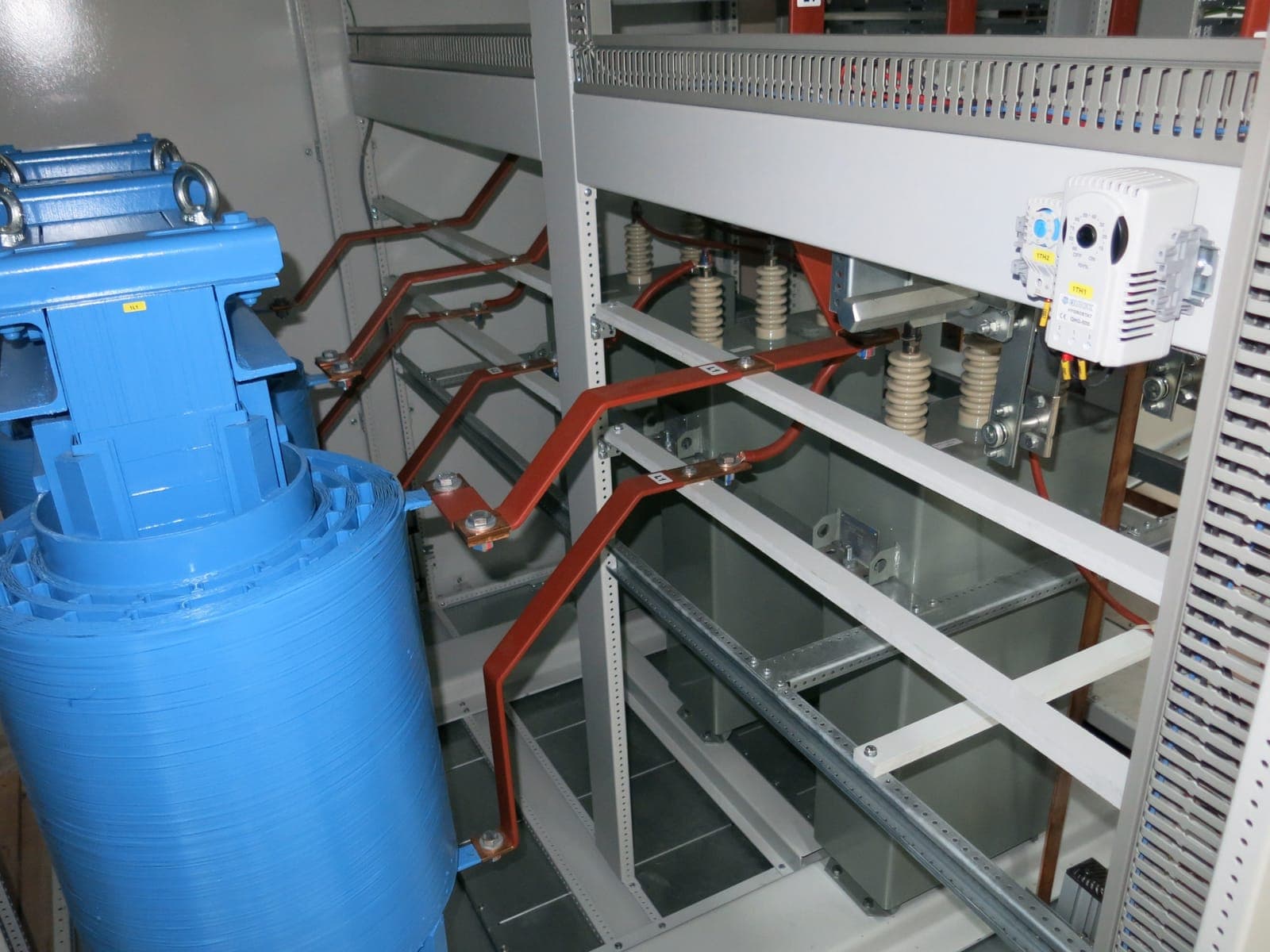
Medium voltage compensation systems hold the power factor at the desired level in high-power industrial facilities by supplying the reactive power that inductive loads require within the plant itself. This reduces the reactive power drawn from the network, lowers electrical losses and makes more efficient use of existing system capacity.
MV compensation systems can use fixed or automatically stepped capacitor banks according to the needs of the facility. Switching is carried out by vacuum contactors or circuit breakers, and the system is operated safely with appropriate protection and control equipment.
Because every facility has a different network structure, load characteristic and reactive power demand, MV compensation systems are engineered specifically for the site rather than supplied as a standard solution. Capacitor rating, step structure, switching devices, the protection system and, where required, series reactors are determined from the measurement and engineering work carried out, producing a compensation system suited to the facility's operating conditions.
SVG – Dynamic Reactive Power Compensation
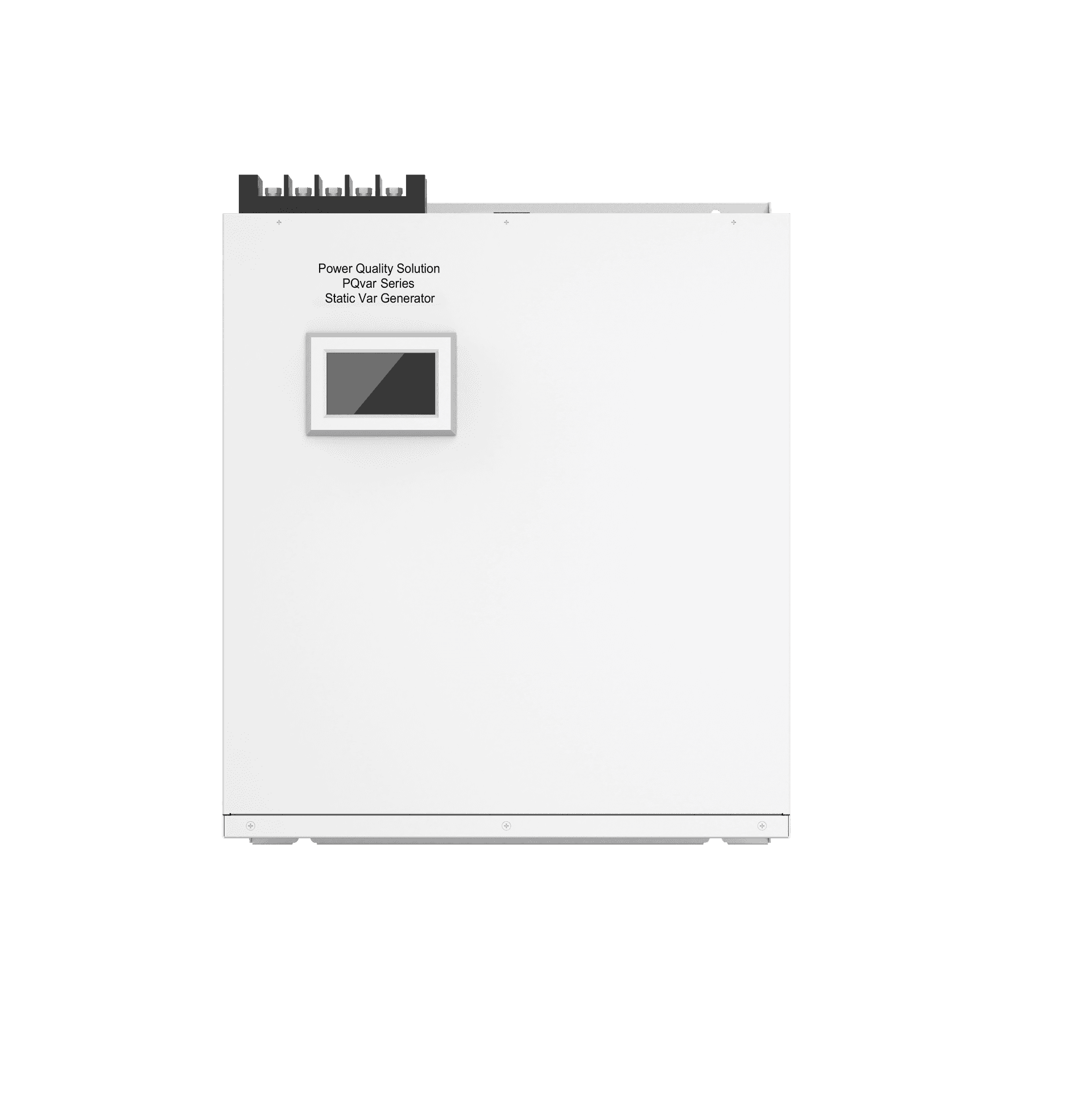
SVG (Static Var Generator) systems respond quickly and dynamically to both inductive and capacitive reactive power demand, providing fast, stepless compensation. Unlike conventional capacitor-step compensation systems, SVG systems work on power electronics, which allows reactive power to be controlled precisely under rapidly changing load conditions.
They can be used in industrial facilities with welding machines, cranes, lifts, presses and other rapidly changing loads. Depending on the needs of the facility, the solution can be built from a single unit or from several SVGs working in parallel.
Related product groups
SVC and STATCOM Solutions
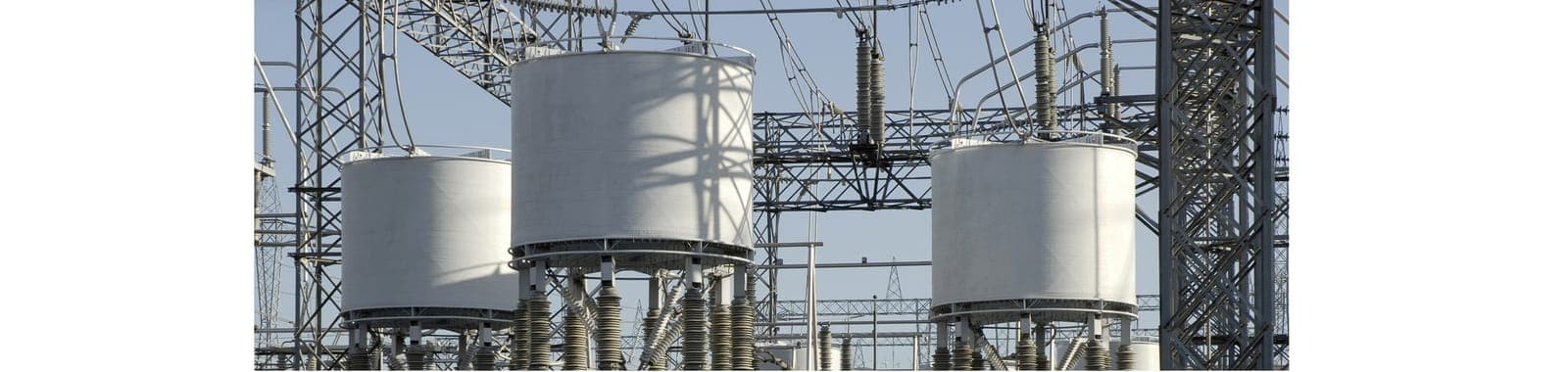
SVC and STATCOM systems provide dynamic reactive power compensation and voltage control in facilities where reactive power demand changes rapidly and continuously. They are effective above all in applications where the response time of conventional compensation systems is not sufficient.
SVC systems work with thyristor-controlled reactive power elements, while STATCOM systems, built on power electronics converter technology, respond very quickly and can provide effective reactive power support even at low network voltages. In applications with rapid load changes such as arc furnaces, rolling mills, large motor loads and renewable energy plants, they help to reduce voltage fluctuation and flicker as well as controlling reactive power.
SVC and STATCOM solutions are designed specifically for each project, evaluating the facility's power demand, load characteristic, network structure and power quality measurements. With the right system selection, voltage stability is improved, reactive power flow is brought under control and the facility's adverse effects on the network are reduced.
Harmonic Filter Solutions
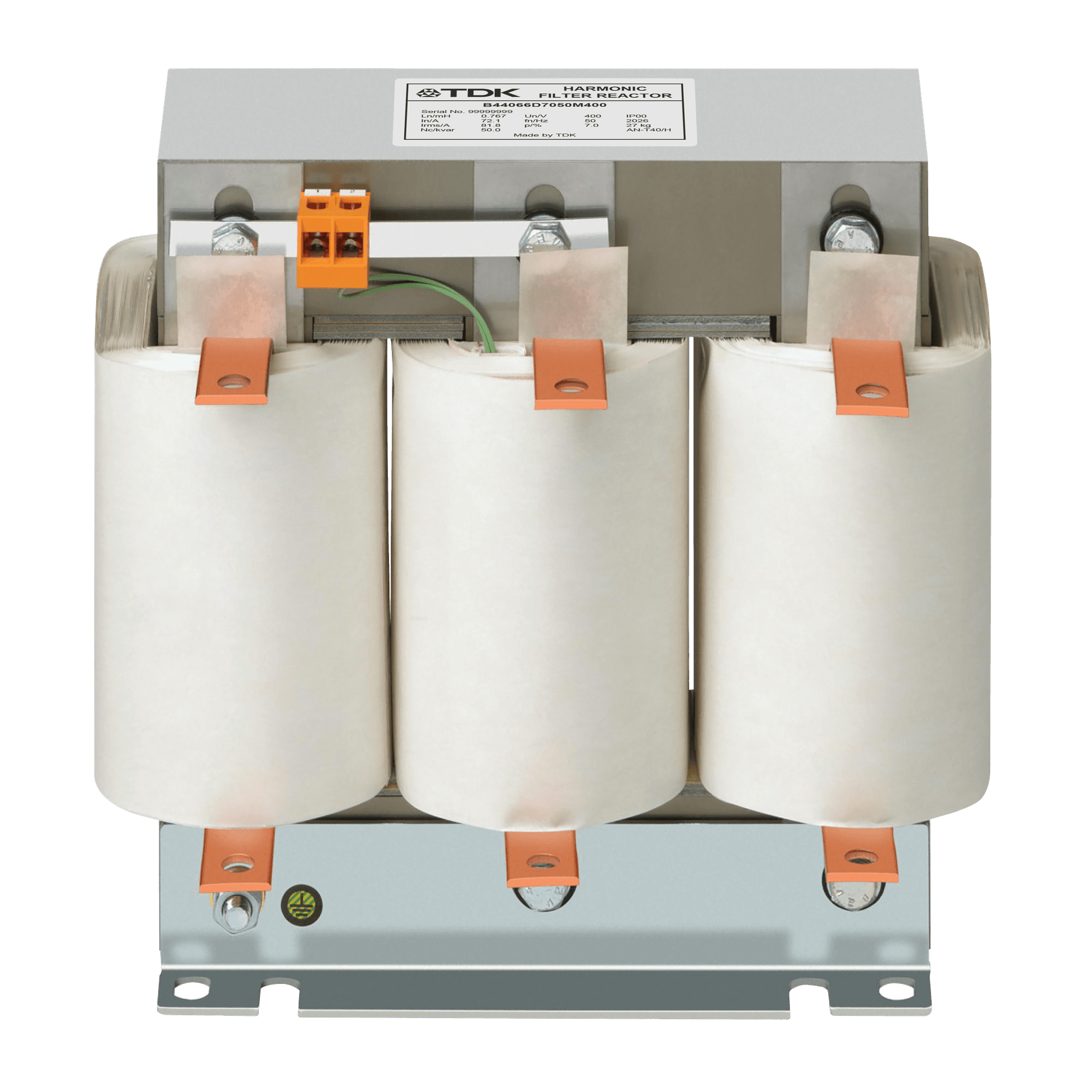
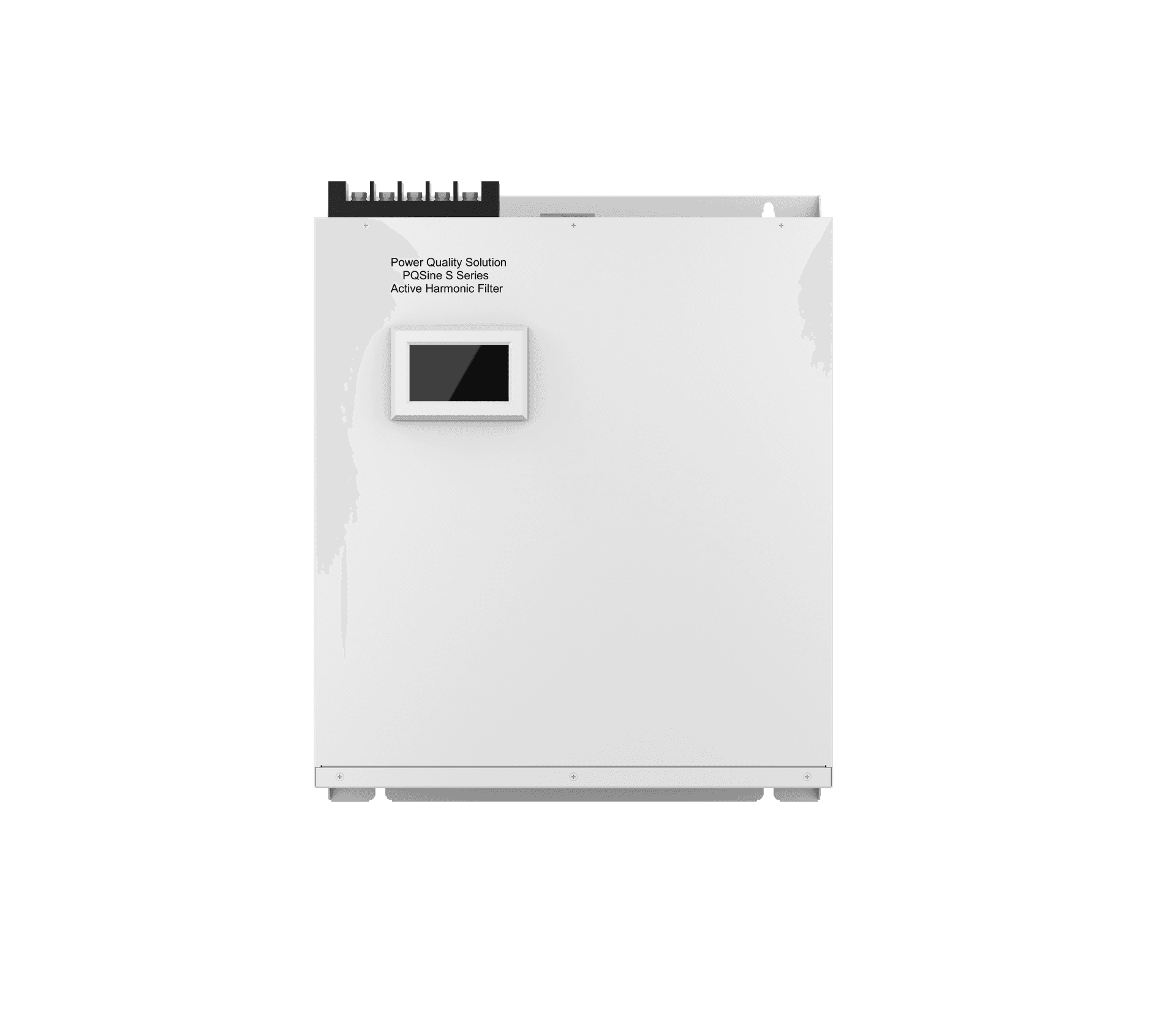
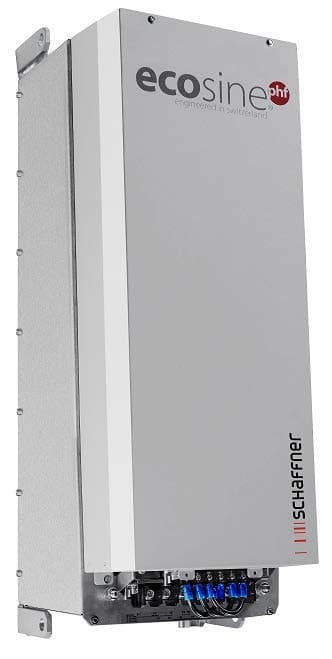
Nonlinear loads such as frequency converters, rectifiers, UPS systems, power electronics equipment and arc furnaces can cause current and voltage harmonics on the network. High harmonic levels lead to overheating in transformers, cables and capacitors, to increased energy losses, to a risk of resonance and to unexpected failures in sensitive equipment.
Harmonics are reduced with active or passive harmonic filter solutions selected according to the facility's load structure and harmonic spectrum. Passive harmonic filters are effective at reducing specific harmonic components, while active harmonic filters compensate harmonics in real time under variable load conditions, providing dynamic filtering.
At EPKOM we determine the filter type and capacity that suits the facility from power quality measurements and harmonic analysis, and engineer our solutions taking IEEE 519 and the relevant IEC/EN standards into account. This reduces harmonic levels, protects equipment and allows the electrical system to run more safely and efficiently.
Get in Touch