Industries
Industry Solutions
Every industry has its own electrical problems. Below are the issues we most often encounter in the areas we work in, and the measurement and solution approach each one calls for.
Heavy Industry and Raw Materials
Iron and Steel
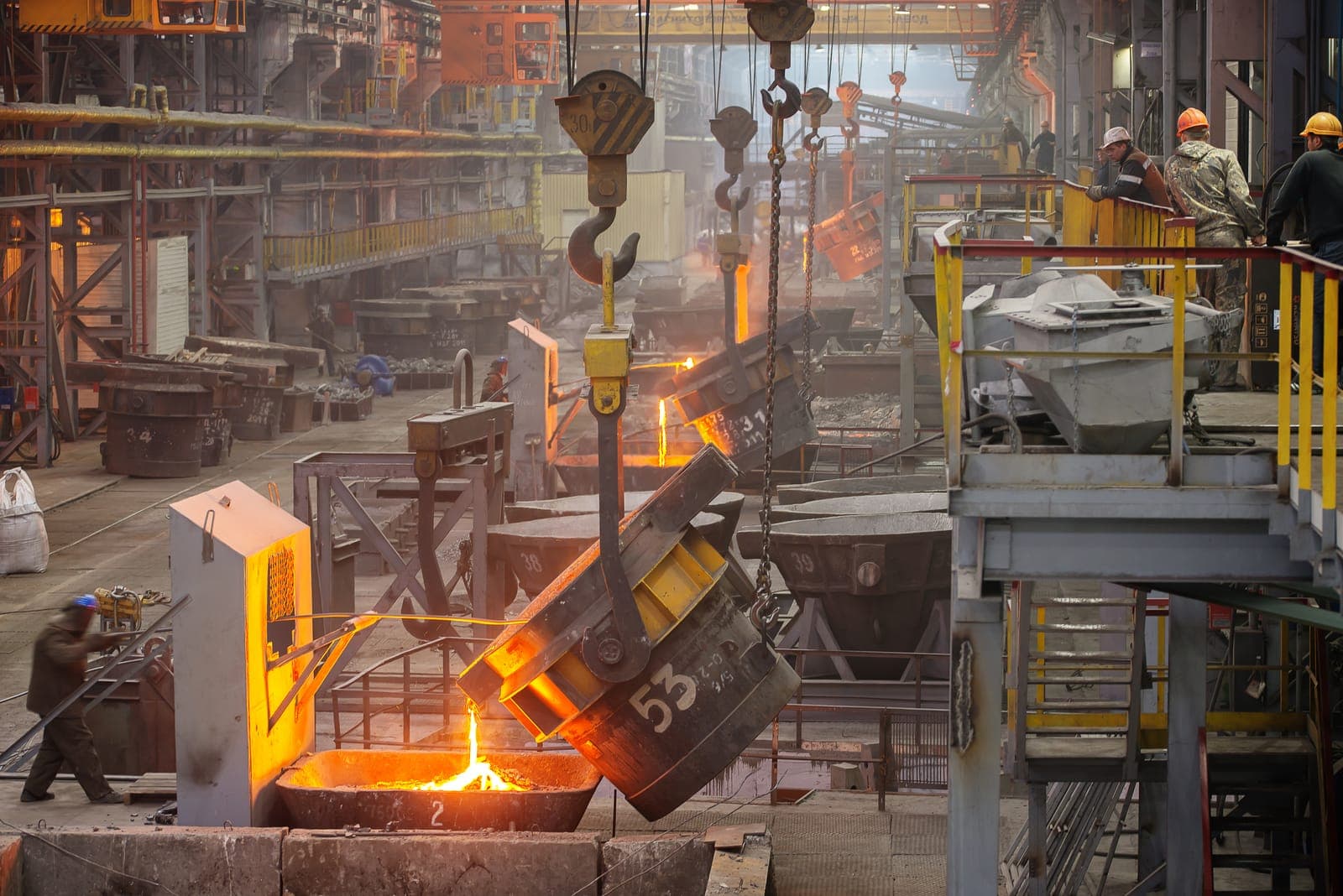
Measuring and compensating the harmonics, flicker and rapid reactive power swings that arc furnace and rolling mill loads impose on the network.
Typical challenges
- High harmonic levels
- Flicker and voltage fluctuation
- Rapidly changing reactive power demand
- Low power factor
- Harmonic resonance
- Overheating in transformers and equipment
- High energy consumption
Related solutions
Mining
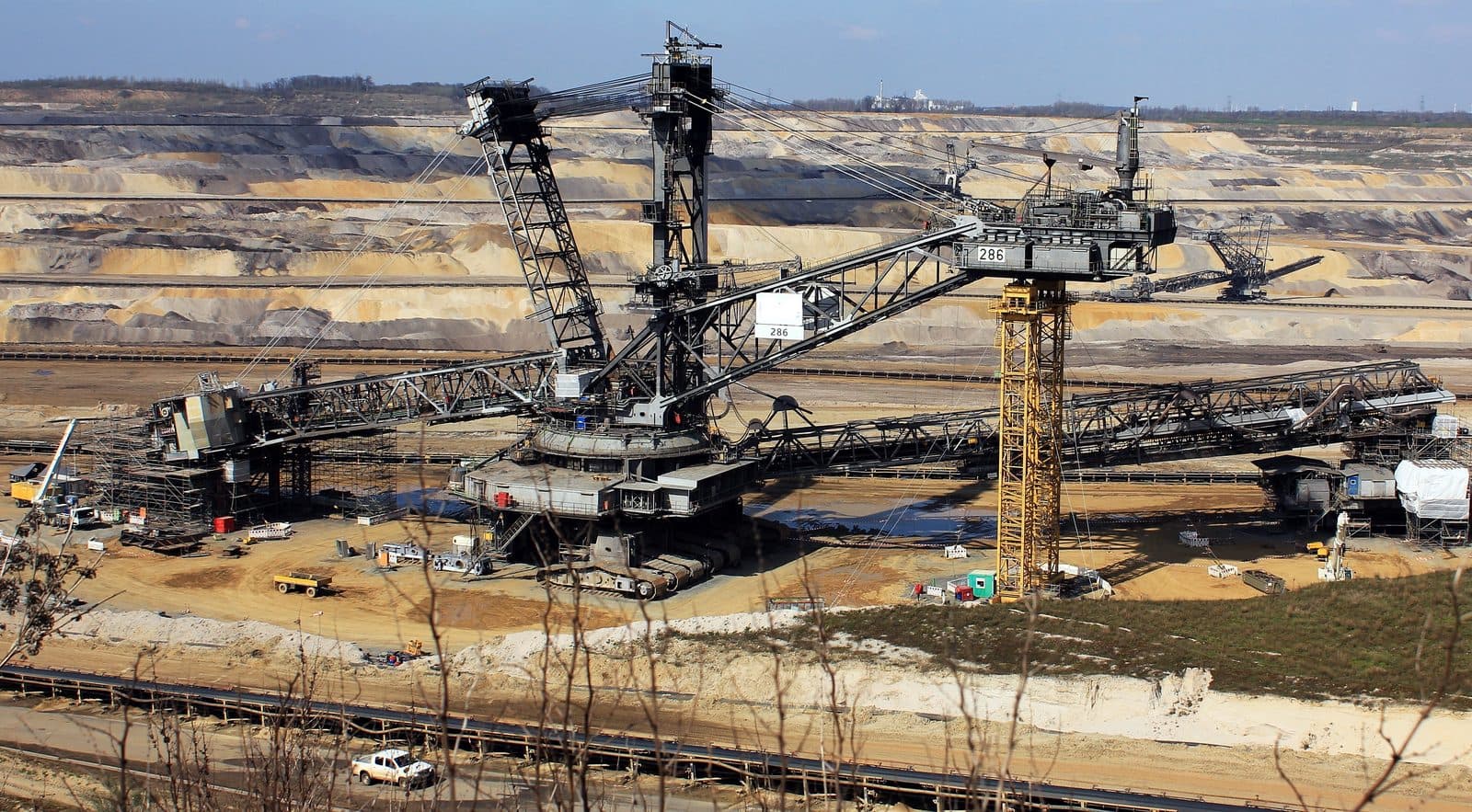
Measuring and resolving the harmonics, reactive power and voltage fluctuation produced by high-power motor loads such as crushers, mills and conveyors.
Typical challenges
- Power quality problems created by high-power loads such as crushers, mills and conveyors
- Harmonics from motors and drives
- Reactive power problems under variable and heavy load conditions
- High energy consumption
- Voltage fluctuation and production interruptions
Related solutions
Petrochemicals and Chemicals

Monitoring voltage events on critical processes, and managing harmonics and reactive power across large motor and drive loads.
Typical challenges
- Harmonics from large motors and drives
- Sudden load changes and voltage dips as motors come on line
- High reactive power demand and low power factor
- Short-duration voltage events disrupting critical processes
- Harmonics degrading transformers, cables and compensation equipment
- High energy consumption per process and across the site
Related solutions
Cement
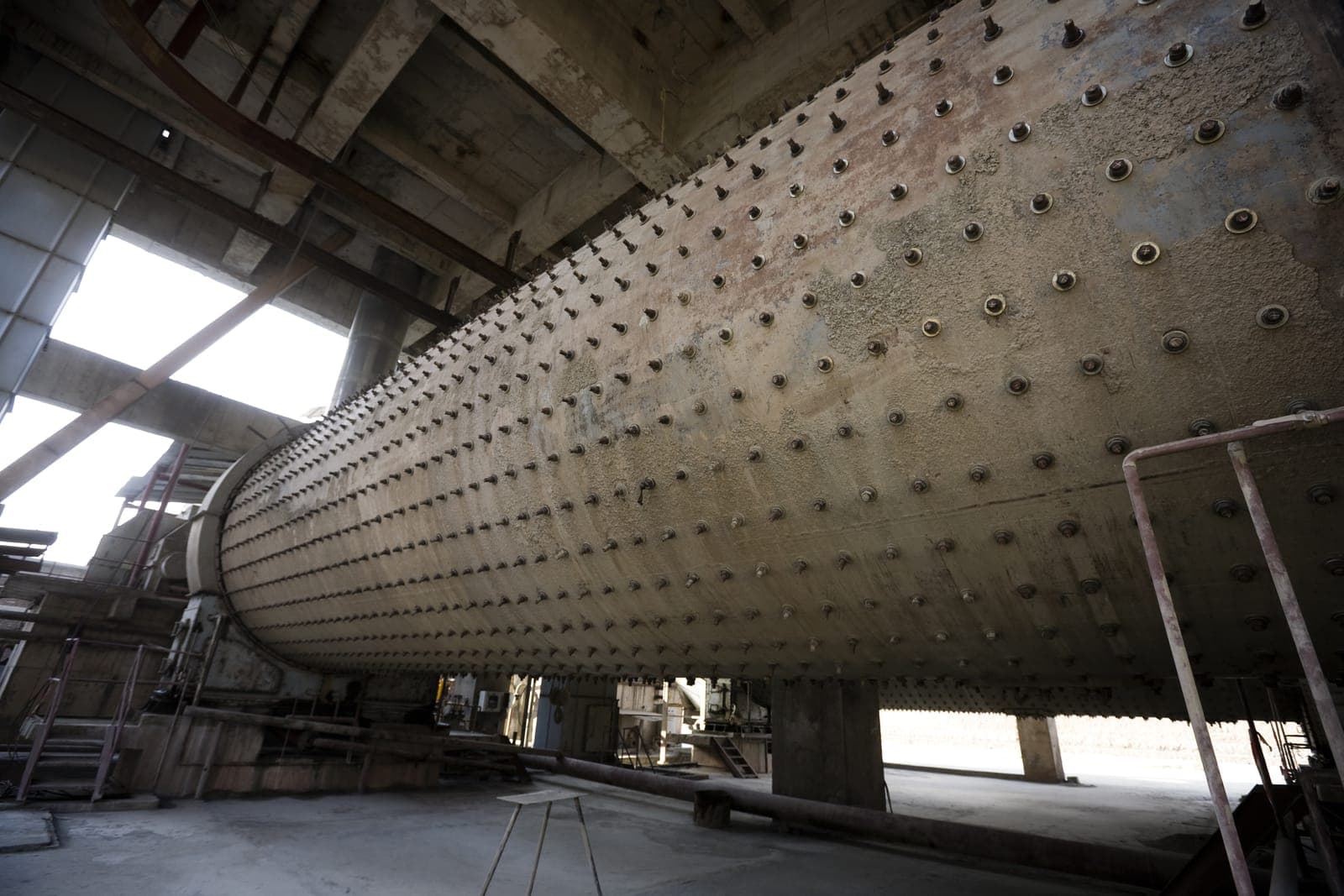
Managing reactive power, harmonics and energy efficiency together across high-power motor loads such as mills, fans and crushers.
Typical challenges
- High reactive power demand from large motor loads
- Harmonics from variable frequency drives (VFD)
- Low power factor and reactive energy penalties
- Harmonics degrading the compensation system, with a risk of resonance
- Voltage dips caused by motor starts and high-power loads
- Harmonic-driven extra losses and heating in transformers, cables and switchgear
- High energy consumption from mills, fans, crushers and other high-power equipment
Related solutions
Light Industry and Consumer Goods (Manufacturing)
Automotive

Harmonic control, voltage fluctuation monitoring and line-level energy tracking in welding and drive-intensive assembly plants.
Typical challenges
- Harmonics from welding machines and drives
- Sudden load changes and voltage fluctuation
- Rapidly changing reactive power demand
- Low power factor
- High energy consumption on production lines
- Power quality problems on sensitive equipment
Related solutions
Food and Beverage

Energy efficiency across cooling, compressor and pump systems, control of drive-borne harmonics and line-level consumption tracking.
Typical challenges
- High energy consumption from cooling, compressor, pump and motor systems
- Harmonics from variable frequency drives (VFD)
- Low power factor and reactive energy penalties
- Sudden load changes on cooling and production lines
- No separate visibility of consumption for production lines and utilities
Related solutions
Textiles

Harmonic control, compensation and voltage-dip monitoring on drive-intensive spinning, weaving and finishing lines.
Typical challenges
- Harmonics from heavy drive use on spinning, weaving, knitting and finishing machines
- High energy consumption from compressor, fan, pump and HVAC systems
- Reactive power and power factor problems caused by a variable load profile
- Short voltage dips stopping drives and automation systems
- Harmonics degrading the compensation system, transformers and other electrical equipment
- No control over energy consumption across production lines and utilities
Related solutions
Paper
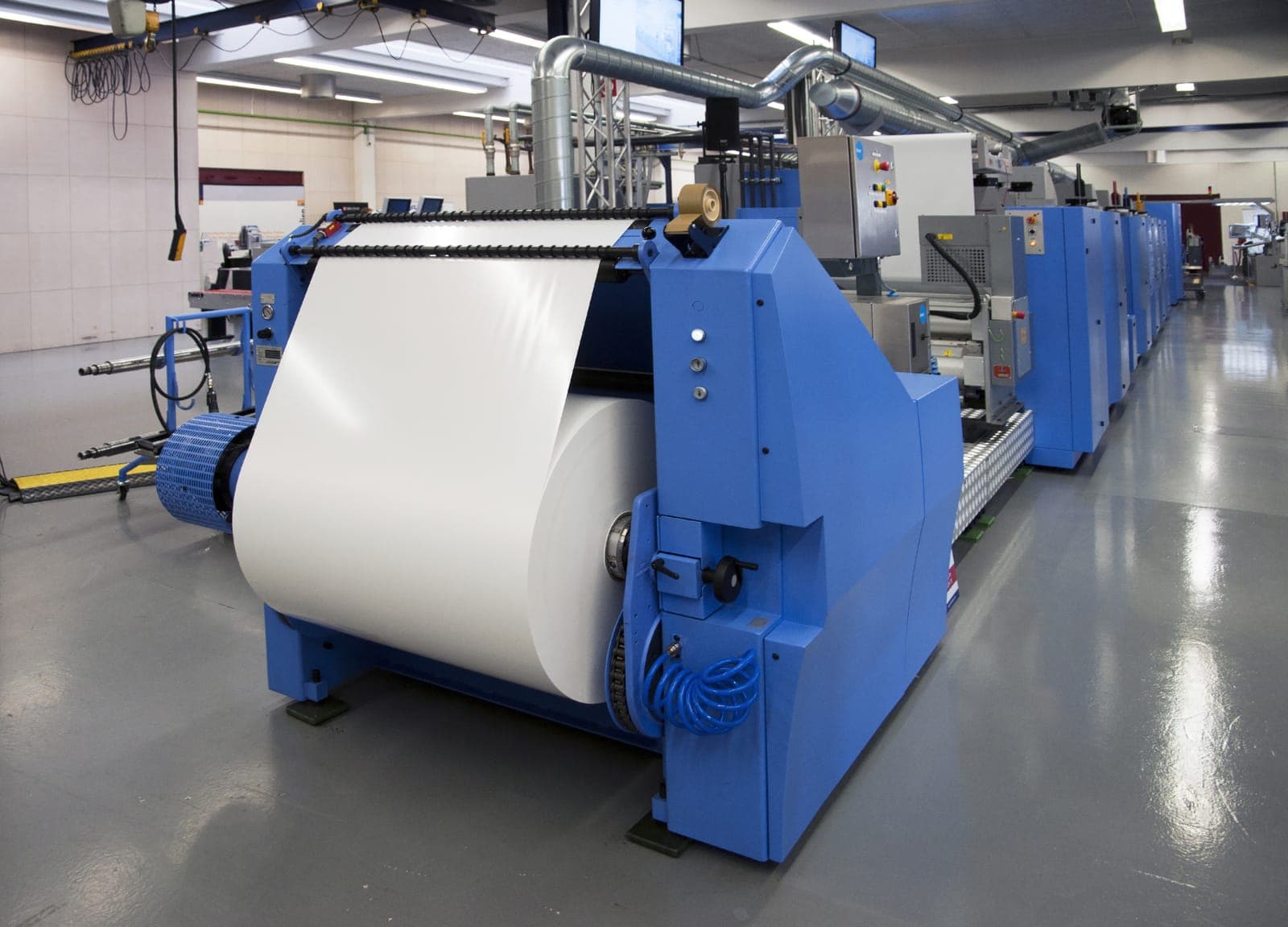
Harmonic control, compensation matched to variable load, and line-level energy tracking on motor- and drive-intensive production lines.
Typical challenges
- Harmonics from heavy motor and drive use
- Reactive power problems caused by variable loads
- Voltage fluctuation on production lines
- High energy consumption
- Production stoppages caused by electrical faults
Related solutions
Energy and Infrastructure
Power Generation

Continuous power quality monitoring at the grid connection point, event recording, and generation-versus-consumption energy accounting.
Typical challenges
- Voltage and frequency variation at the grid connection point
- Harmonic and other power quality disturbances
- Reactive power and power factor variation
- Voltage dips, swells and short interruptions
- Electrical events on the generation and grid side going undetected
- Accurately tracking energy generated and energy consumed
Related solutions
Electricity Distribution

Power quality monitoring and reporting on distribution networks under EN 50160 and Turkish regulatory service-quality requirements.
Typical challenges
- Voltage dips and swells across the distribution network
- Harmonic distortion and flicker
- Short and long interruptions
- Voltage unbalance and frequency variation
- No way to locate the source of a power quality problem on the network
- No central view of data arriving from a large number of measurement points
Related solutions
Related product groups
Field application
Power Quality and Energy Monitoring Across a Distribution Network
~2,500 × UMG 605-PRO · SSL-encrypted data transfer · GridVis® Professional
ReferencesTransport and Industrial Infrastructure
Rail Systems

Monitoring and compensating harmonics, rapidly changing reactive power and voltage fluctuation on traction systems and station supplies.
Typical challenges
- Harmonics from traction systems and power electronics
- Voltage fluctuation caused by sudden and variable loads
- Reactive power and power factor problems
- High energy consumption at stations and ancillary facilities
- Energy continuity and power quality problems on critical systems
Related solutions
Digital Infrastructure and Services
Data Centers

Residual current monitoring, harmonic control and continuous tracking of redundant supply paths in always-on facilities.
Typical challenges
- Harmonics from UPS units and power electronics
- Residual currents going undetected until they reach a critical level
- Harmonic-driven overloading of neutral conductors
- Power quality events during transfers between grid, UPS and generator
- Maintaining supply continuity for critical systems
- High energy consumption and energy efficiency
Related solutions
Telecommunications
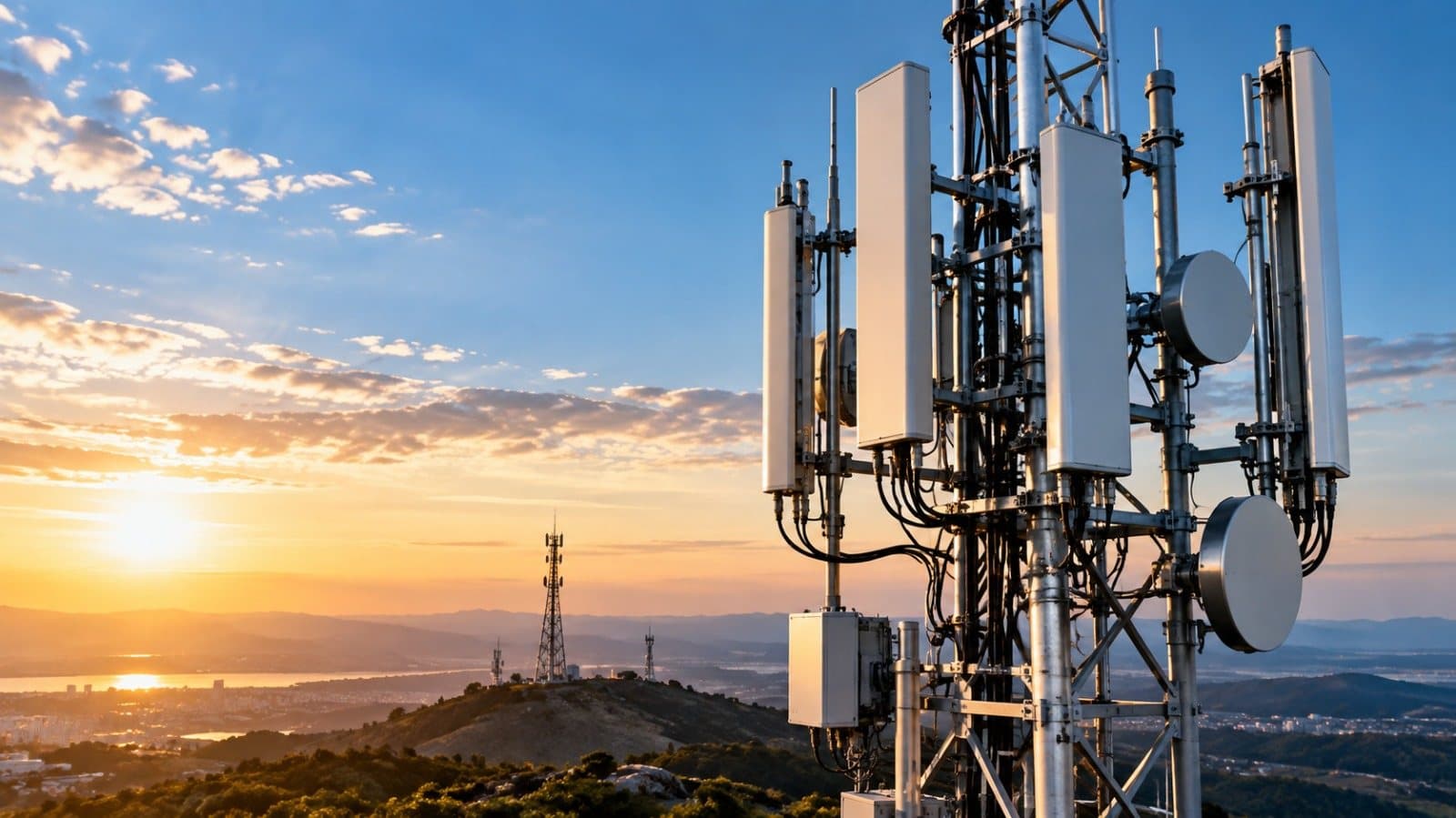
Power quality monitoring and supply-reliability tracking across always-on telecommunications infrastructure.
Typical challenges
- Remote monitoring of supply quality across geographically scattered sites
- Early detection of insulation deterioration without causing an outage
- Preventing voltage-dip and harmonic-related faults on critical loads
Related solutions
Related product groups
Commercial Buildings and Facilities
Shopping centres • Hospitals • Hotels • Offices • Business centres • Campuses
Energy monitoring per building and department, power quality tracking on critical loads, and residual current monitoring with RCM.
Typical challenges
- High energy consumption from HVAC, lifts, UPS units and lighting
- Harmonics from UPS units, LED lighting and drives
- Low power factor and reactive energy penalties
- No separate visibility of consumption per building, department or load
- Power quality and supply continuity problems on critical loads
- Residual currents not detected in time
- Voltage dips, interruptions and other power quality events
Related solutions
Contact